
17 Jan 2026
5 workout you can do during Ramadan

Ramadan changes daily routines, meal timing, and energy levels. That does not mean exercise has to stop. With the right approach, working out during Ramadan helps maintain strength, mobility, and overall well being without interfering with fasting. The focus should be on controlled intensity, shorter duration, and smart timing.
Below are five workouts that are safe, effective, and realistic during Ramadan.
Brisk Walking
Brisk walking is one of the safest workouts during fasting. It keeps the body active, improves circulation, and supports cardiovascular health without excessive strain.
A 20 to 30 minute walk is enough to stay active and clear the mind. It is ideal before iftar or after evening prayers when the body feels lighter and more relaxed.
This workout can also be done comfortably at the club. Our facilities include treadmills and a range of light cardio equipment, allowing you to maintain a steady pace in a controlled, air-conditioned environment without worrying about weather or terrain.
Light Cycling or Stationary Bike
Low intensity cycling is a joint friendly cardio option that helps maintain endurance without draining energy reserves. Keep the pace comfortable and steady.
Sessions of 15 to 25 minutes are effective, especially after breaking the fast when hydration has been restored.
This workout can be done easily at the club using stationary bikes and light cardio machines, offering a smooth, controlled ride that supports consistent effort without unnecessary strain.

Bodyweight Strength Training
Bodyweight exercises help preserve muscle mass during long fasting hours. Movements such as squats, lunges, push ups, and planks stimulate muscles without requiring heavy loads.
Keep sessions short and focused. Two to three sets per movement with controlled tempo is sufficient. The goal is maintenance, not pushing personal records.
Stretching and Mobility Work
Stretching is often overlooked but becomes more important during Ramadan. Long periods of sitting, reduced movement, and altered sleep patterns can lead to stiffness and tight muscles.
Light stretching or mobility work improves flexibility, reduces muscle tension, and supports recovery. This can be done during the day or before bedtime.
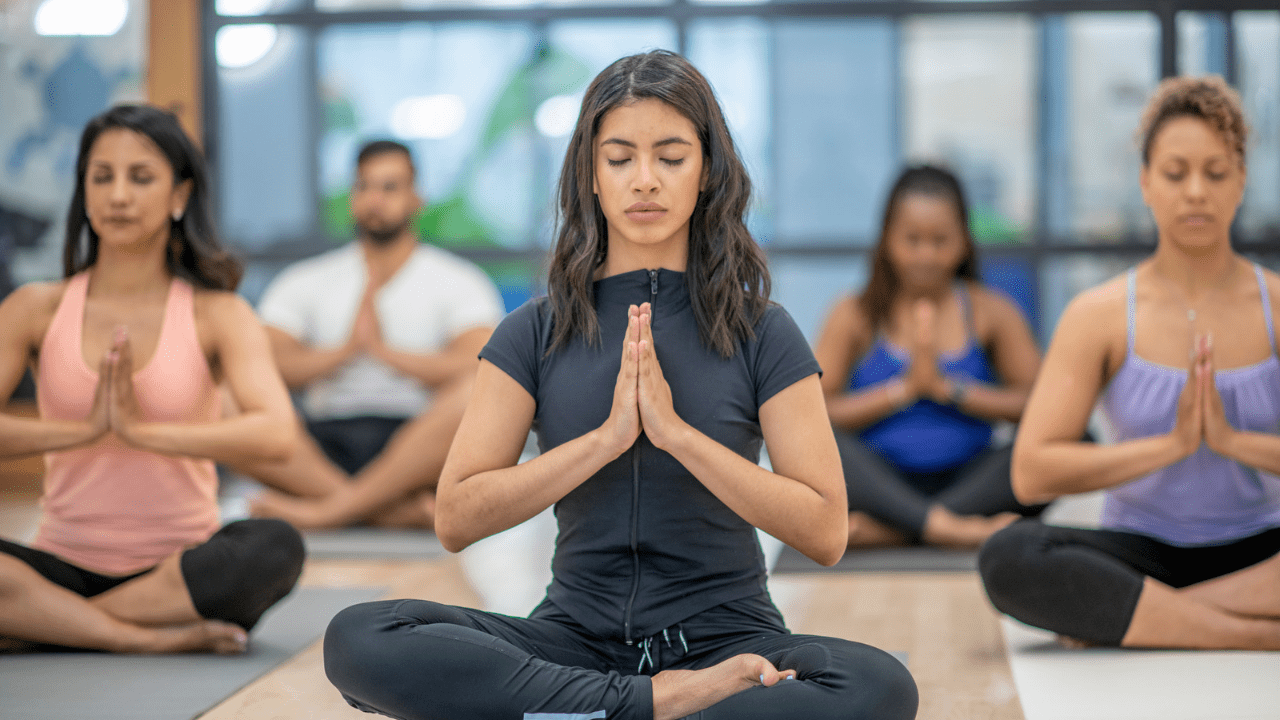
Yoga or Mind and Body Training
Yoga combines controlled movement, breathing, and mental focus. It supports flexibility, balance, and stress management, which aligns well with the reflective nature of Ramadan.
Gentle flows or basic poses are best, particularly after iftar or before sleep to help the body unwind.
Best time to work during Ramadan
The most effective times to exercise are shortly before iftar, so the body can refuel immediately after, or one to two hours after breaking the fast when hydration and nutrients are available. Workouts should be shorter, focused, and intentional.
Working out during Ramadan is not about intensity or performance. It is about staying consistent and supporting the body through fasting. Choosing the right type of exercise helps maintain strength, mobility, and mental clarity throughout the month. With smart adjustments, physical activity becomes a complement to Ramadan, not a distraction from it.