

05 Aug 2026
Does HIIT Really Help the Heart and Metabolic Health?
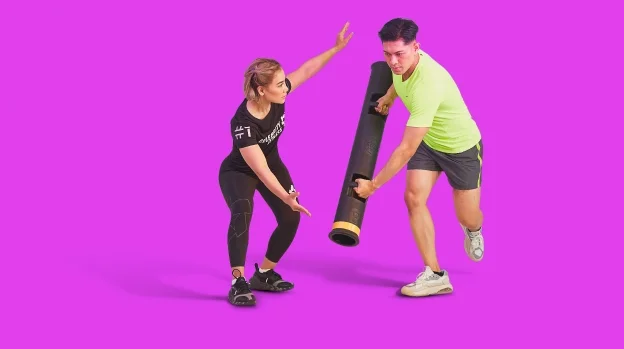
HIIT is often recognized as a workout that is both time-efficient and highly effective. Many people choose HIIT to lose fat, improve fitness, and maintain a healthier body composition.
When performed consistently and combined with proper nutrition and adequate rest, HIIT can support cardiovascular function and improve metabolic health while also increasing overall energy expenditure.
What Is HIIT?
HIIT stands for High-Intensity Interval Training, a workout style that alternates between periods of intense exercise and lighter recovery. This approach provides a challenging workout in a relatively short amount of time, making it ideal for people with busy schedules.
How Does HIIT Benefit the Heart?
HIIT increases heart rate during short bursts of high-intensity exercise, helping strengthen the cardiovascular system when practiced regularly.
- Helps train the heart and blood vessels.
- May reduce the risk of cardiovascular disease when performed consistently.
- Improves the body's ability to use oxygen efficiently.
- Enhances heart and lung performance over time.
HIIT and Metabolic Health
Metabolic health refers to how the body manages energy, blood sugar, blood lipids, and overall metabolism. HIIT may support these processes in several ways.
- May improve blood sugar regulation.
- May improve blood lipid levels.
- May reduce body fat, especially abdominal fat.
- Can increase calorie expenditure even after exercise.
What Is the Afterburn Effect?
One of the unique advantages of HIIT is the Afterburn Effect, where the body continues burning energy after the workout has ended.
Following a HIIT session, the body requires additional energy to recover, repair muscles, and restore normal function. This allows calorie burning to continue even while resting.
What Energy Systems Does HIIT Use?
HIIT primarily uses the anaerobic energy system during high-intensity intervals. As the workout continues, the aerobic energy system also becomes more active.
- Anaerobic system for explosive, short-duration effort.
- Aerobic system for sustained performance and recovery.
- Improves speed, endurance, and recovery simultaneously.
Who May Benefit Most from HIIT?
HIIT is particularly suitable for people looking for short, effective workouts.
- People with limited time.
- People aiming to lose body fat.
- People who want to improve overall fitness.
Individuals with heart disease, high blood pressure, joint or back problems, or those returning to exercise after a long break should begin carefully and consider consulting a qualified professional before starting HIIT.
How Often Should You Do HIIT?
HIIT does not need to be performed every day. Beginners should start with one to three sessions per week and allow recovery days between workouts.
- Exercise for 20–30 seconds.
- Rest for 30–60 seconds.
- Gradually increase intensity and the number of rounds as fitness improves.
Conclusion
HIIT can support heart health and metabolic health by improving cardiovascular function, increasing energy expenditure, supporting blood sugar regulation, and enhancing fat metabolism.
The key to success is choosing a workout that matches your fitness level and practicing it safely and consistently over time.
Claim your free consultation by filling out the form or calling the Fitness Helpline: 02-118-6677.
MORE FOR YOU

.jpg?sc_lang=en)



*Classes are not included at this branch.
Fill out the form and get in touch with us.