17 Jan 2026
Benefits of Working Out with Friend
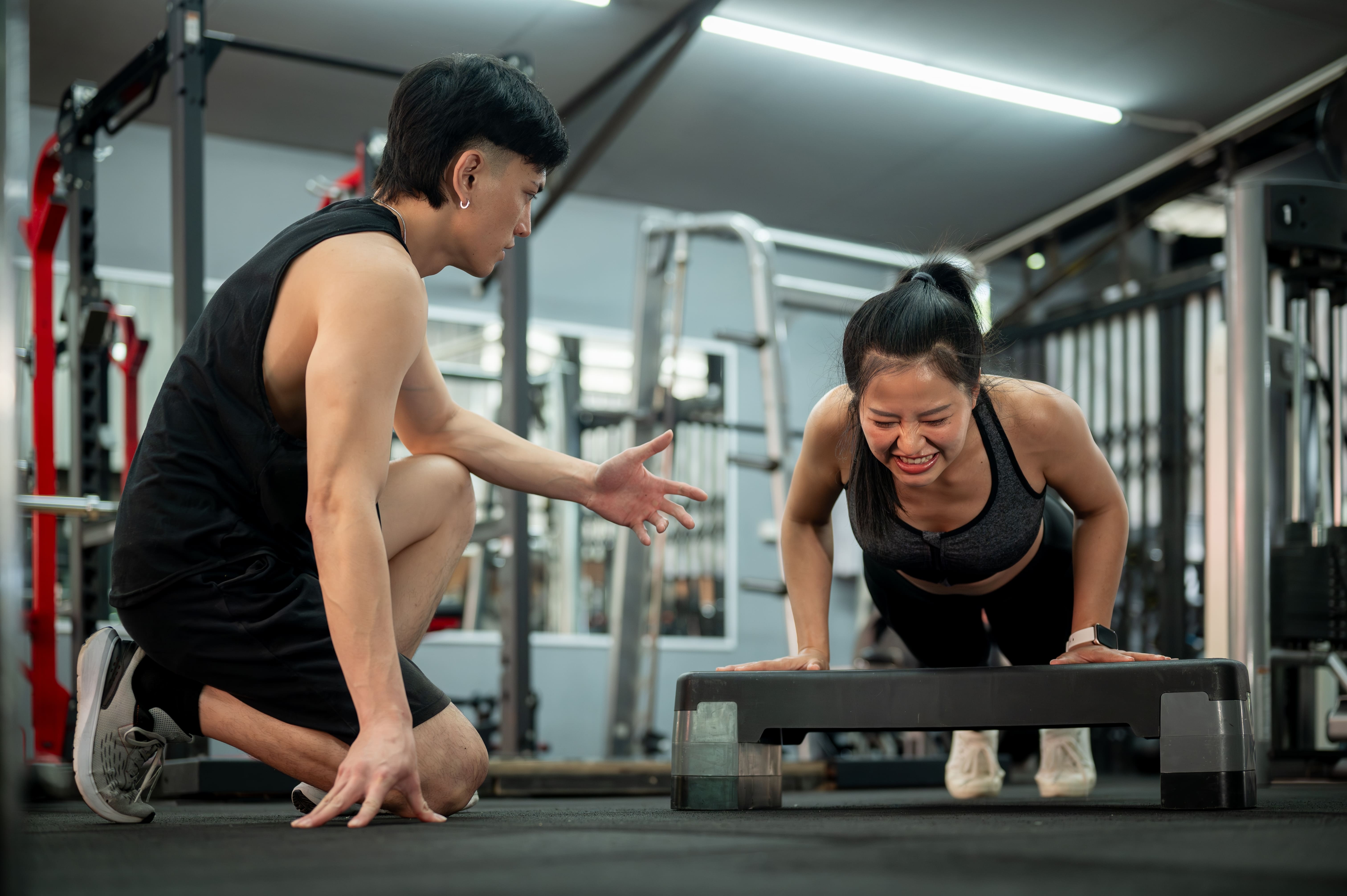
Working out with a friend improves performance, motivation and consistency all at once, you tend to push harder, show up more often, and enjoy the session more than training alone, largely because someone else's presence changes both the effort you put in and the likelihood you turn up in the first place.
None of that shows up on a spec sheet though. It shows up as the extra rep you squeeze out because someone's watching, the class you don't skip because you'd have to text and cancel on an actual person, the laugh halfway through a brutal set that makes the whole thing feel shorter than it was. Training alone can absolutely work. Training with someone else just tends to work harder, in ways that are easy to underestimate until you've felt the difference.
Find Your Fit at Celebrity Fitness!
Reading about training with a friend is one thing. Grabbing one and actually booking a class is another. Try it free and bring them along.
Already a member? Browse this week's classes
You push harder without meaning to
There's a specific thing that happens on the last set of an exercise when someone else is doing it next to you: the rep count creeps up without a conscious decision to make it happen. Nobody wants to be the one who racked the weight first. That small, mostly unspoken competitiveness is doing real work, nudging intensity up in a way that's genuinely hard to replicate solo, no matter how disciplined someone is.
Someone else catches what you can't see
A training partner spots more than just a bar coming down wrong. They notice a knee caving in on a squat, a back rounding on a deadlift, form breaking down two reps before it would've turned into an injury. That extra set of eyes matters most exactly when fatigue is setting in and self-monitoring gets shakiest, which is usually the point in a session where it's needed most.
The session becomes something you actually want to attend
A hard set feels different with someone groaning through it beside you than it does alone in a quiet room. The shared effort turns training into something closer to a shared experience than a chore, and that shift in how a session feels is a big part of why people who train with others report enjoying their workouts more, not just completing them. The motivation benefits of group workouts gets into this from the class side of things, where an entire room is doing the same thing at once.
It's harder to quietly disappear
Skipping a solo session costs nothing but a bit of self-disappointment, easy to shrug off. Skipping on someone who's already getting changed costs something social, and that difference is often the entire reason one person's routine survives a bad week and another's doesn't, the exact mechanism behind how working out with friends helps you stay on track.
Friend isn't a member yet?
FitPass lets them train alongside you, pay-as-you-go, at any club, before they commit to anything.
Stress drops faster when it's shared
Training clears the head on its own, most people already know that much. What's less obvious is that doing it alongside someone else seems to add to the effect rather than dilute it, the combination of movement and company giving a stressful day two different ways to lose its grip instead of just one. A rough week tends to feel lighter after an hour spent complaining about it mid-set with someone who gets it, in a way that scrolling alone on a rest day rarely manages.
Not every friendship survives the gym, and that's fine
Worth being honest here: not every friend makes a good training partner. Mismatched schedules, mismatched fitness levels, or someone who treats every session as a chance to catch up rather than train can turn a workout into something slower and less effective than going alone would've been. The benefit isn't automatic just because two people showed up together, it depends on finding someone whose effort and consistency roughly match the energy being brought to it, or leaning on a format like the ones covered in why group fitness is the best starting point for beginners, where the class sets the pace instead of a mismatched partner.
Start with one session, not a standing commitment
The easiest way to find out whether a specific friend makes a good training partner is a single class, not a six-month plan built on hope. One session together tends to answer the question fast, whether the energy matches, whether the pace works, whether it's actually fun. From there, the plan writes itself.
Frequently asked questions
What are the benefits of working out with a friend?
Training with a friend tends to increase workout intensity through friendly competition, improve consistency through social accountability, add a layer of safety through form-checking and spotting, and make sessions more enjoyable overall, all of which contribute to better long-term results than training alone.
Does working out with a friend actually improve performance?
Yes, for most people. The presence of another person training alongside you tends to naturally increase effort and intensity, sometimes without a conscious decision to push harder, an effect that's harder to replicate when training solo.
What if my friend and I have different fitness levels or goals?
A mismatch in fitness level doesn't rule out training together, but it can reduce the benefit if one person is constantly held back or left behind. Group classes are often a good middle ground, since the format and pace are set by an instructor rather than either training partner.
Is it better to work out with a friend or join a group class?
Both offer similar social and accountability benefits. A friend offers more personalised support and competition, while a class offers structure, variety and a wider social group without needing to coordinate one-on-one schedules.